BathWindowsRoofingFlooringGuttersSidingDoors

Home Renovation Costs & Project Cost Guides

Whatever home renovation project you’re planning, you’re probably asking the same questions: How much will it cost? Do you actually need a full replacement? How do you know if a quote is fair? And what’s the best way to pay for it? We’ve gathered the resources you need to understand your options, set a realistic budget, and avoid costly surprises along the way.

Estimate Your Project Cost

Select your project from the list below to explore real estimates and scopes based on your area, or explore the full 4-step guide below.

Bathroom Remodeling →  ·  Window Replacement →  ·  Roof Replacement →  ·  Flooring Installation →  ·  Gutter Installation →  ·  Siding Replacement →  ·  Door Replacement →

01
Step 1 of 4
See Real Project Costs*

Every project starts with the same question: How much will it cost? These project guides will help you set a realistic budget before you start getting quotes.

*All cost estimates on this page are planning estimates, not quotes. Actual costs vary by location, project scope, materials, site conditions, and contractor. See methodology and sources.

ProjectEstimated Cost*Best For
Bathroom Remodel$4,200–$73,700Outdated single-bath homes
Window Replacement$600–$1,900/eachHomes 20+ yrs old, drafty frames
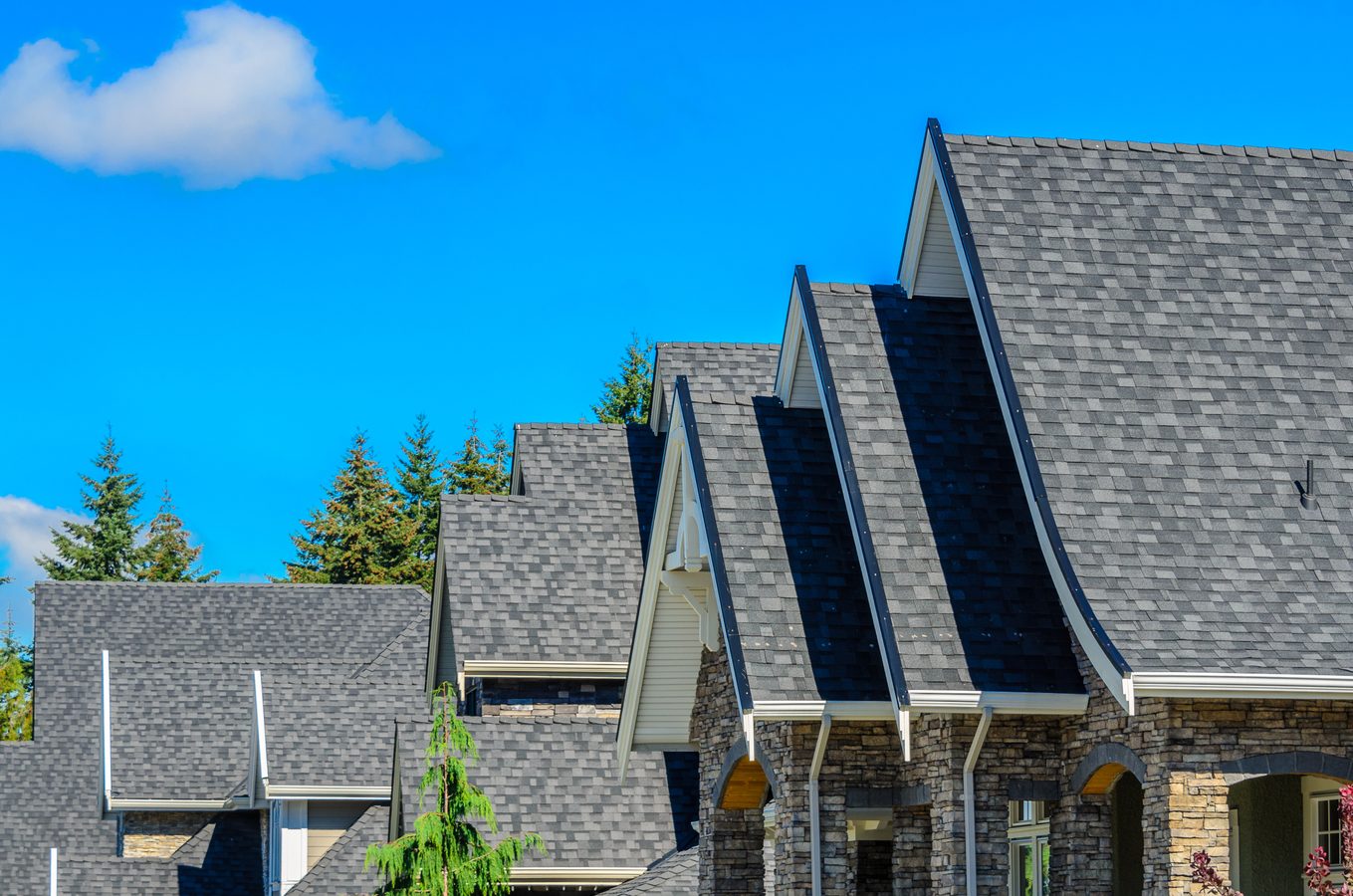
Roof Replacement$7,300–$54,200Roofs nearing 15–20 years old
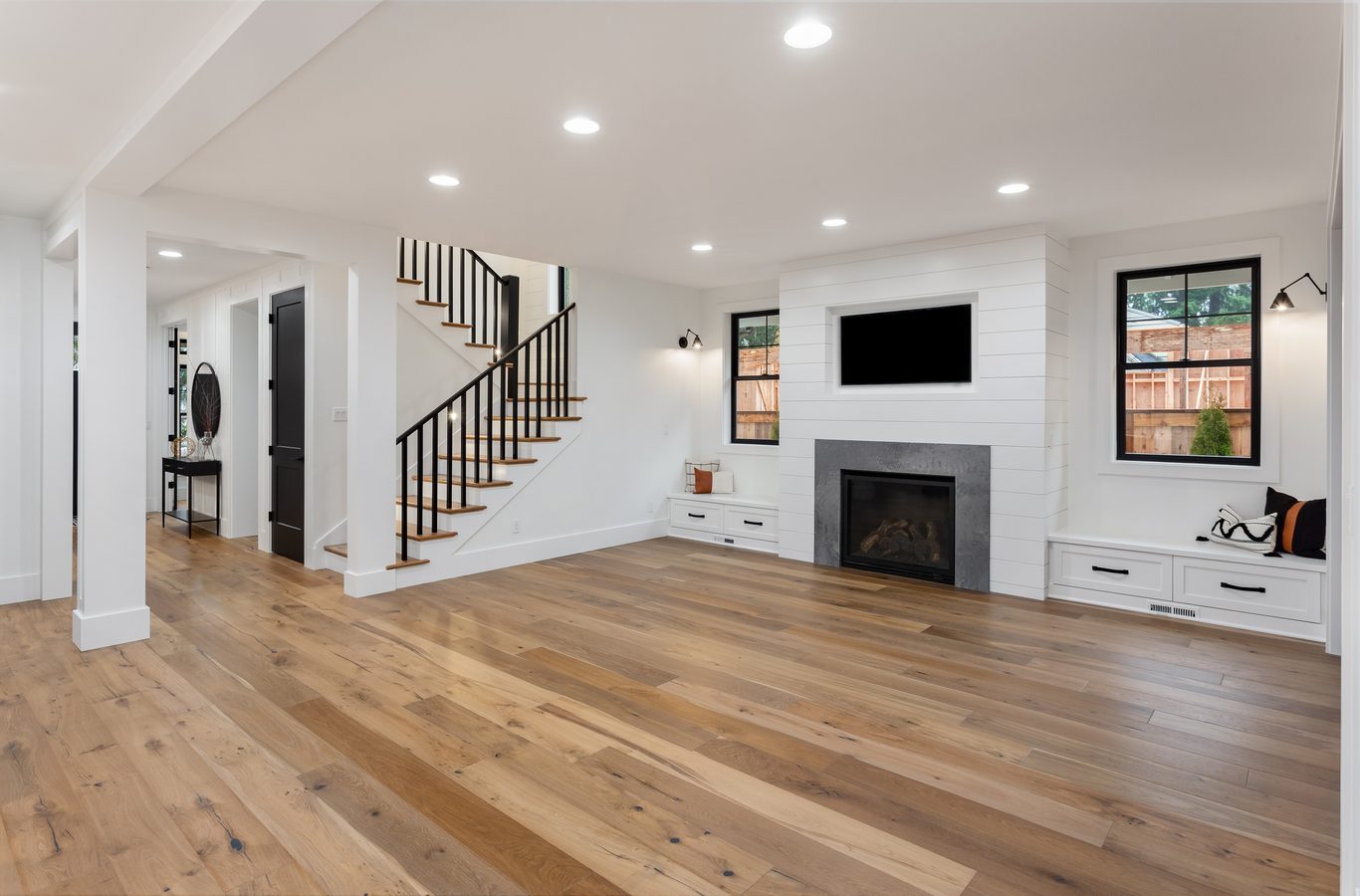
Flooring Installation$4–$25/sq ftReplacing worn or outdated flooring
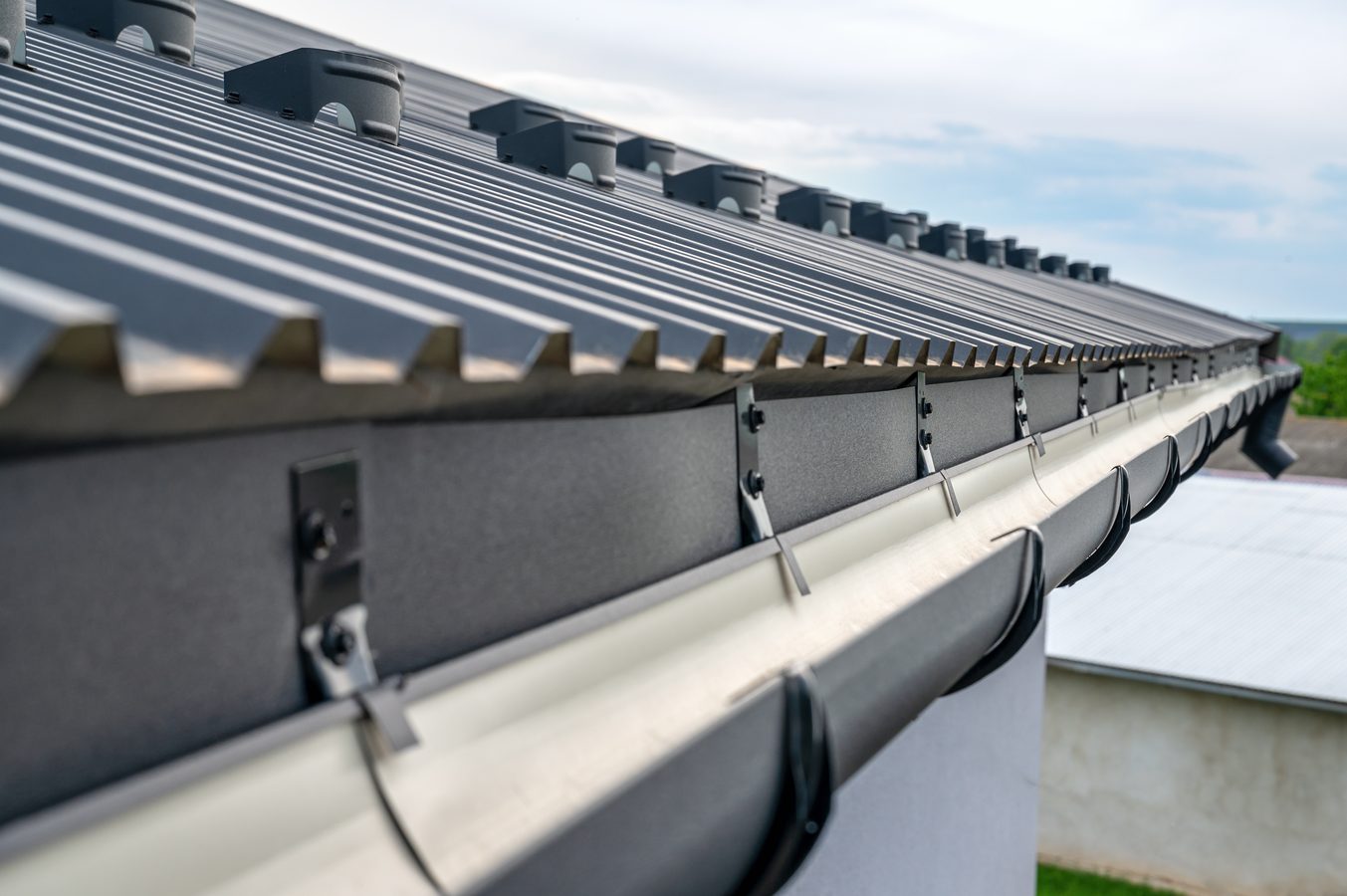
Gutter Installation$700–$12,000Preventing foundation/water damage
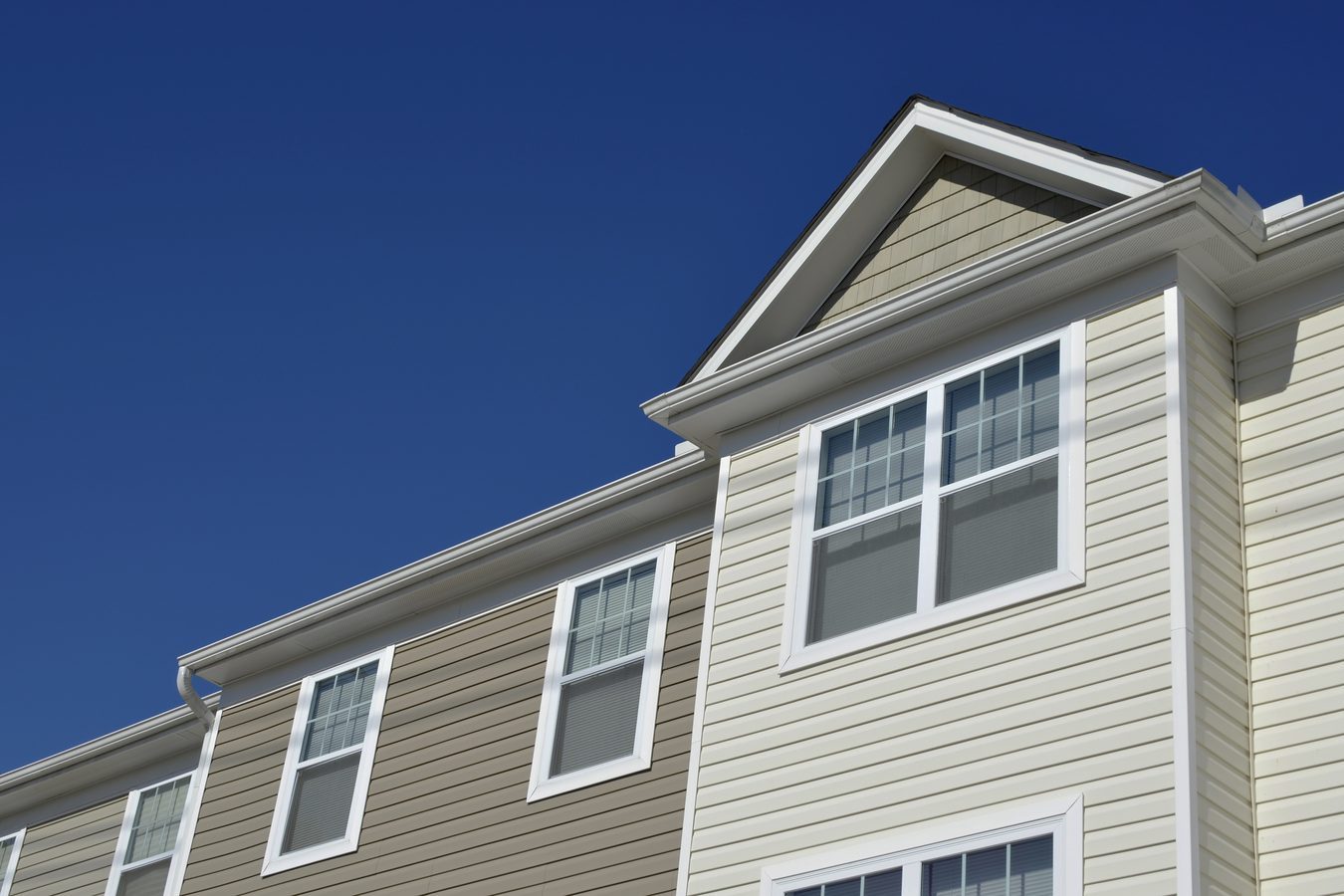
Siding Replacement$8,000–$49,500Maximizing curb appeal & resale
Door Replacement$1,100–$6,600Upgrading security & curb appeal

*Cost recoup percentages are based on the 2025 Zonda Cost vs. Value Report. Flooring is not included in that report; its value reflects National Wood Flooring Association research showing homes with wood flooring often sell faster and for more. Gutter installation is included for its long-term protective value rather than resale cost recoup.

©2025 Zonda Media, a Delaware corporation. Complete data from the Remodeling 2025 Cost vs. Value Report can be downloaded free at www.costvsvalue.com.

Now that you have a general idea of the cost, the next step is understanding what your project actually needs. In many cases, a repair may be enough and that can make a significant difference in price.

↓Whether you end up repairing or replacing, the same pricing discipline protects you either way.
03
Step 3 of 4
Compare Contractor Quotes

No matter what project you’re planning, these three steps can help you compare quotes more confidently and avoid paying more than you need to.

1
Get multiple quotes
Get at least 3 quotes from licensed contractors before committing. Prices can vary 20–40% for the same project.
2
Compare apples to apples
Make sure each quote includes the same scope of work, materials, and warranty coverage before comparing prices.
3
Verify licensing & insurance
Verify the contractor’s license and ask for proof of current insurance before signing a contract.

Remember, the lowest estimate isn’t always the best deal. Differences in materials, warranties, and scope of work can have a significant impact on long-term value.

Explore Pricing Guides by Project

Once you’ve narrowed down your options, the final step is choosing the financing option that works best for your budget.

Remy04
Step 4 of 4
Explore Financing Options

Many homeowners finance at least part of a renovation. Understanding how the most common financing options compare can help you choose the one that best fits your budget, timeline, and project goals.

Home Equity Line of Credit (HELOC)
Best for: Large or phased projects where you draw funds over time
Watch out: Variable rate: payments rise if rates rise. Your home is collateral.
Home Equity Loan
Best for: Defined lump-sum projects with a fixed scope and cost
Watch out: Closing costs of 2–5%. Takes 2–6 weeks to fund. Home is collateral.
Personal Loan (Unsecured)
Best for: No home equity, fast funding (1–3 days), smaller projects
Watch out: High APR on lower credit scores. Short terms mean high monthly payments.
Contractor Financing (GreenSky / Hearth)
Best for: Approved at point of sale; no separate application process
Watch out: Most 0% offers are DEFERRED INTEREST. If not paid in full by the deadline, all accrued interest (at ~20–27%) backdates to day one. Read the fine print.
0% Intro APR Credit Card
Best for: Smaller projects you can pay off within the intro period
Watch out: Deferred interest if you miss the payoff window. Low limits may not cover large projects.
FHA 203(k) Rehab Loan
Best for: Purchasing and renovating simultaneously; low equity situations
Watch out: Complex process requires HUD consultant, 3–6 month timeline, limited to primary residence.
⚠️ Deferred interest warning: Most contractor “0% financing” offers are deferred-interest plans. If you don’t pay the full balance before the promotional period ends, all accrued interest backdates to day one at 20–27% APR. Always ask: “Is this true 0% APR, or deferred interest?”

Get an instant cost estimate →  ·  Compare monthly loan payments →

Questions Homeowners Ask About Project Costs

Still have questions? These are some of the most common things homeowners ask before starting a renovation, from budgeting and timelines to contractor quotes and resale value.

Steel entry door replacement returns the most of any project Zonda's 2025 Cost vs. Value Report tracks: 216% of its cost at resale. Fiber cement siding is the only other project in the report that returns more than it costs; bathroom remodels, windows and roofing each recover most of their cost but not all of it. Flooring isn't in that report; homes with wood floors tend to sell faster and for as much as 10% more, per a National Wood Flooring Association survey. ©2025 Zonda Media, a Delaware corporation. Complete data from the Remodeling 2025 Cost vs. Value Report can be downloaded free at www.costvsvalue.com.

Gutter installation has the lowest estimated starting cost at $1,200–$4,500, though final pricing depends on linear footage and whether you add gutter guards. It's also one of the lower-disruption projects to schedule.

Most don't fully pay for themselves in one year of resale value. Recovering 60–90% of cost is typical and considered a strong outcome. Steel entry door replacement is the exception, returning 216% per the 2025 Cost vs. Value Report, mainly because the cost is low relative to the resale value it adds. ©2025 Zonda Media, a Delaware corporation. Complete data from the Remodeling 2025 Cost vs. Value Report can be downloaded free at www.costvsvalue.com.

It varies widely by project: gutters and single windows can start under $1,000–$2,000, while full bathroom remodels, roofing, and siding replacements typically run $8,000–$25,000+ depending on home size and material choice. Check the cost guide for your specific project below for a detailed breakdown.

Because two quotes are rarely for the same job. Differences in materials, the amount of preparation included, warranty length, crew size and whether disposal and permits are priced in can move a total by thousands before anyone has quoted a different margin. Ask each contractor to break the quote into labor, materials and disposal, and the gaps usually explain themselves.

Three is the usual advice, and it holds up: one quote gives you no reference point, two tell you only which is cheaper, and three show you where the middle of the market sits so you can see which is the outlier and ask why.

Set aside 10–20% on top of the quoted price. Older homes sit at the higher end, because what is behind a wall or under a floor is not known until the work starts. Rot, outdated wiring and failed subfloor are the common finds, and they are cheaper to fix while the area is already open.

It depends far more on scope than on price. A tub-to-shower conversion or a door replacement is often a day; windows for a whole house run a few days; a full bathroom renovation is typically two to four weeks. Each project guide gives a timeline for that trade, including the wait for materials, which is frequently longer than the installation itself.

Phasing spreads the cost rather than reducing it, and sometimes increases it. Mobilising a crew twice costs more than mobilising once. It works best where the phases are genuinely independent, such as replacing windows room by room. It works badly where one trade has to return, which is why a bathroom is usually better done in one go.
Remy
Ask Remy About Project Costs
▲

Remy is an AI assistant. By using Remy, you agree to our Terms and Privacy Policy. Chats may be recorded or monitored.

Free · No account needed