Acrylic systems cost less and install faster. Tile looks best and lasts longest. Walk-in showers add more resale value than tub-shower combos in most markets. The right choice depends on your timeline, budget, and bathroom use.
| Factor | Acrylic / Solid Surface | Ceramic / Porcelain Tile |
|---|---|---|
| Cost (walls)* | $1,000–$3,500 (professional install) | $2,500–$8,000+ (professional install) |
| Installation time | 1–3 days | 3–7 days (plus curing) |
| Grout maintenance | None (seamless) | Annual sealing recommended |
| Longevity | 10–20 years | 20–50 years (with maintenance) |
| Resale appeal | Good | Excellent |
| Mold resistance | Excellent (no grout) | Good (with sealing) |
*All cost estimates on this page are planning estimates, not quotes. Actual costs vary by location, project scope, materials, site conditions, and contractor. See methodology and sources.
The materials you choose for your bathroom walls can change your bathroom’s look, and also how you clean, maintain, and use your bathroom.
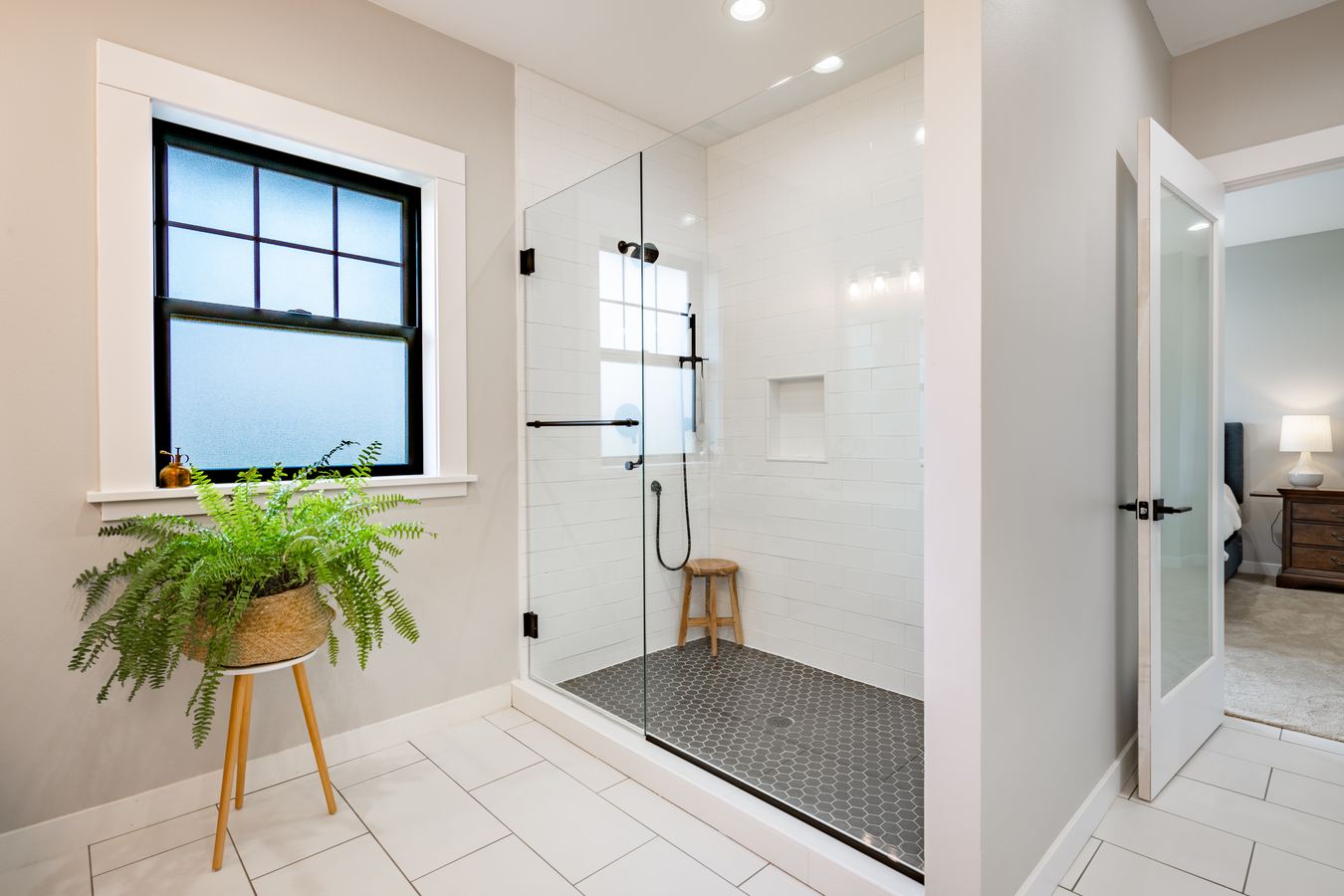
Fired clay with a glazed surface. Virtually impervious to water when properly grouted. Unlimited design flexibility: any color, size, or pattern. Grout lines require sealing and periodic regrouting. The standard for high-end bath renovations.
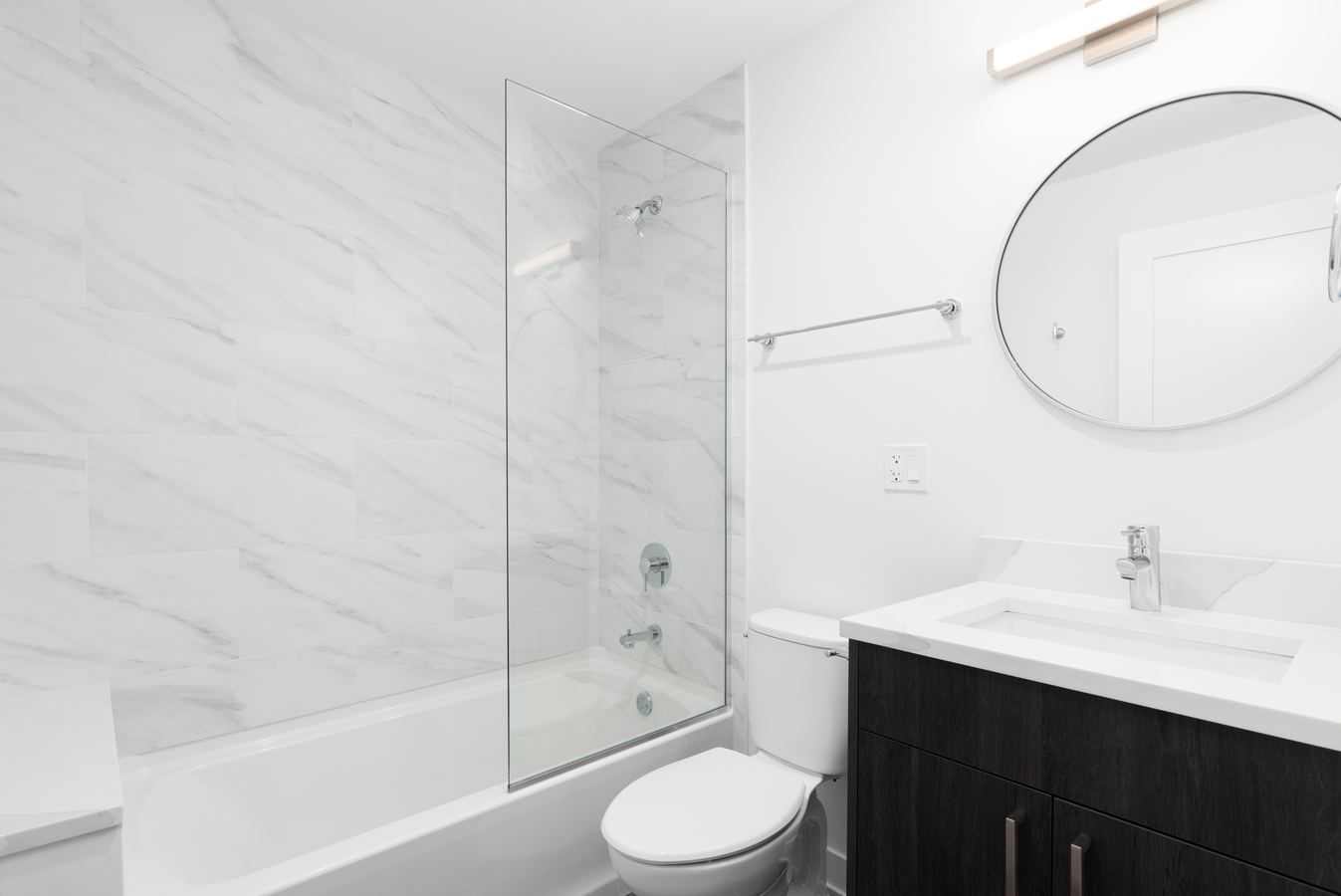
Prefabricated or custom panels made from acrylic or solid surface material. Install directly over existing walls in 1–2 days. Seamless construction eliminates grout lines where mold grows. Lighter cost and faster than tile. Prone to scratching over time.
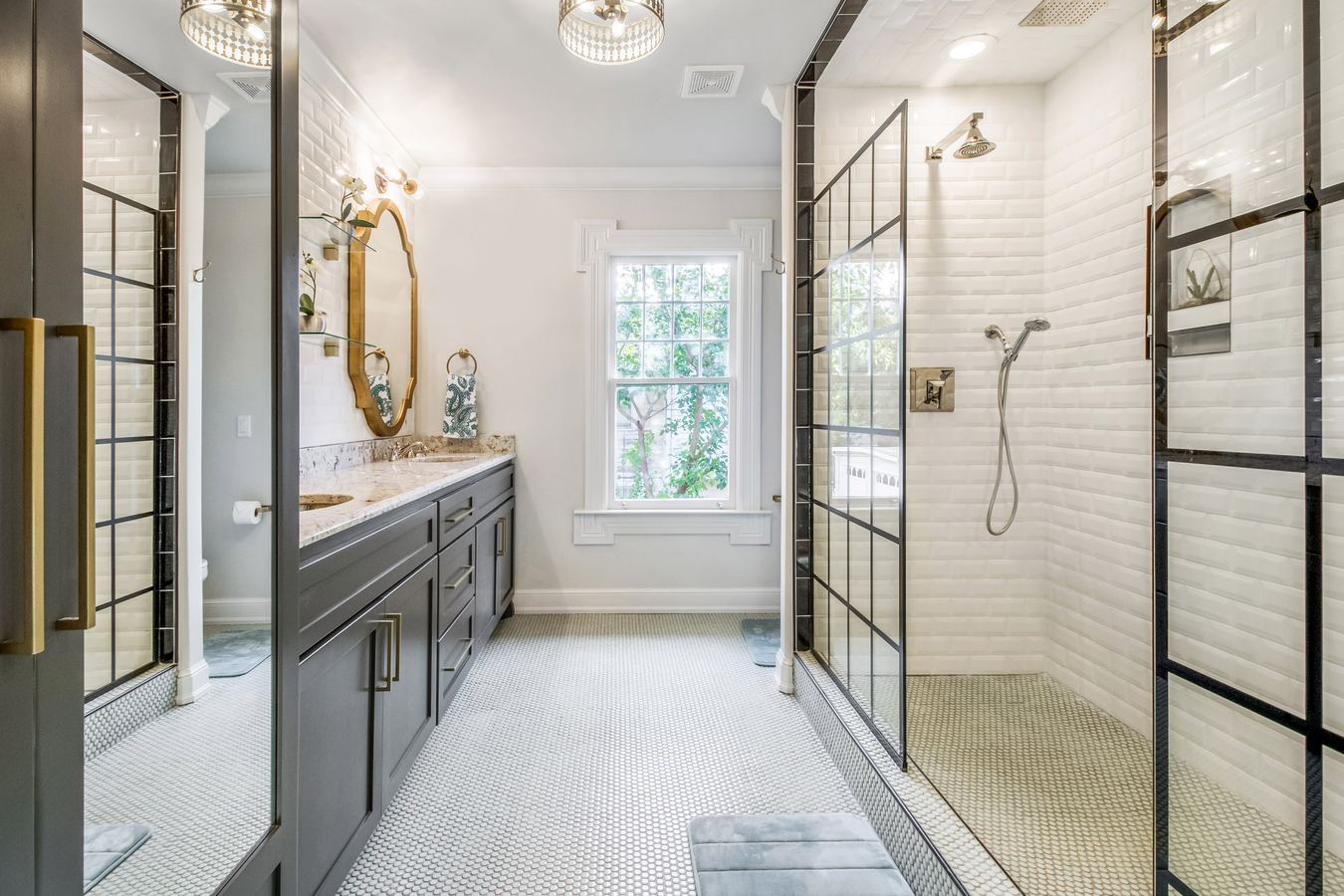
Quarried stone cut into slabs or tiles. Each piece is unique. Requires annual sealing. Highest cost per square foot. Adds significant resale value in luxury markets. Heavier: structural review may be needed for upper-floor bathrooms.
The type of tub or shower you want may impact which materials you choose. Here are the most common options.
Alcove tub/shower: The standard three-wall recessed unit most homes are built with, the most affordable to install or replace since it fits a standard framed opening.
Walk-in shower: A curbless or low-curb shower, often with frameless glass, built for accessibility and a more open, modern look.
Walk-in tub: A tub with a sealed door and low step-in threshold, built for aging-in-place and mobility needs rather than as a design upgrade.
Freestanding tub: A standalone soaking tub not attached to any wall. A design centerpiece in larger primary bathrooms, requiring more floor space and floor- or wall-mounted fill fixtures.
Frameless glass enclosure: Heavy tempered glass panels with minimal or no metal framing. The modern standard for walk-in showers, though it costs more than a framed or curtain enclosure.
Shower-tub combo: A single unit combining a tub base with a shower above, the most space-efficient option when you want both functions in one footprint.

Remy is an AI assistant. By using Remy, you agree to our Terms and Privacy Policy. Chats may be recorded or monitored.
Answer a few questions and we will match you with contractors ranked by feedback from real homeowners.
Find My Matches →