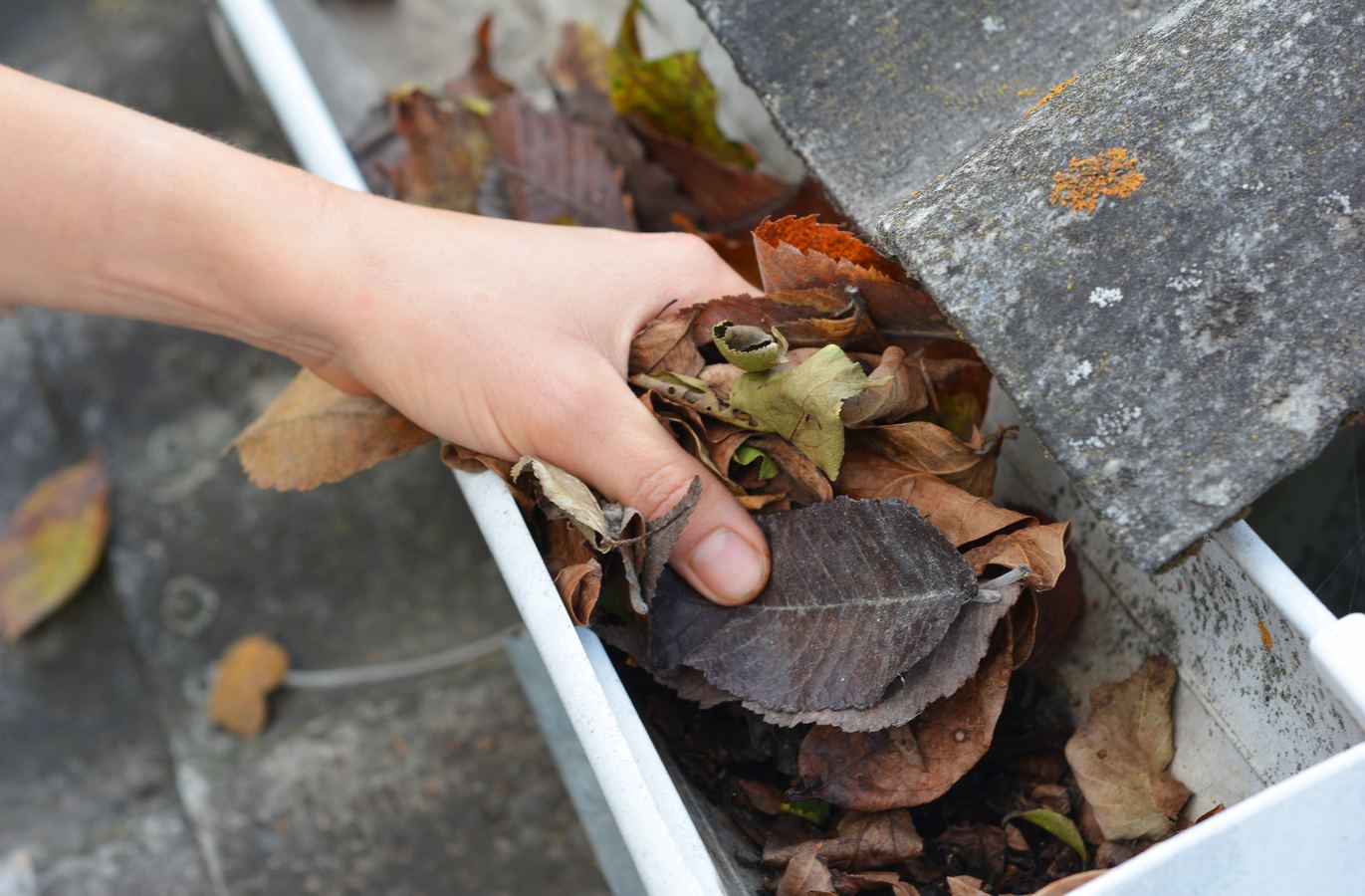
Water spilling over your gutters during a rainstorm can be alarming, especially if it's collecting near your home's foundation. But does that mean you need new gutters? Not necessarily. A clog, loose hanger, or damaged section could be the problem.
Here's how to tell when cleaning, repair, or replacement makes the most sense.
If your gutters are in good condition but clogged with leaves or debris, cleaning may be all they need. A leaking joint, loose hanger, or damaged section can often be repaired without replacing the entire system.
Replacement is worth considering when damage is widespread, several sections are failing, or problems keep returning despite repairs.
Material information and relevant data are maintained by Remodel Your Home’s editorial research team. Learn about our editorial standards.
Gutters collect rainwater from your roof and direct it away from your home. When they stop working properly, the solution depends on whether something is blocking the water, part of the system is damaged, or the gutters themselves are failing.
These are starting points, not a definitive diagnosis. A professional can check the gutters, downspouts, fasteners, and surrounding areas to identify the problem.
Cleaning can solve many drainage problems, but it won't fix damaged or improperly installed gutters. Here are four signs that repair or replacement may be worth considering.
Gutters should be securely attached to your home and positioned to direct water toward the downspouts.
If one section is sagging, the problem may be a loose hanger or damaged fastener. That can often be repaired.
If several sections are pulling away, the issue may be more extensive. The fascia boards behind the gutters could also be damaged, particularly if water has been getting behind them for some time.
What to do: Have the attachments and fascia inspected before deciding whether to repair or replace the gutters. Any damaged wood will need attention, too.
Small leaks don't always require new gutters. A leaking seam may be resealed, and a damaged section can sometimes be replaced on its own.
Widespread deterioration is another story. If rust has eaten through several areas or cracks and holes keep appearing, repairs may only provide a temporary solution.
What to do: Ask whether the damage is limited to a few sections or affects enough of the system to make replacement more practical.
It's normal for gutters to need occasional maintenance. But if you're regularly paying to fix new leaks, reattach sections, or correct sagging, it's worth looking at the bigger picture.
A repair that costs less today isn't necessarily the most affordable option if you'll need another one in a few months.
What to do: Compare the cost of the recommended repairs with replacement, taking into account the condition of the remaining gutters.
Water overflowing from gutters can run down siding, collect near the foundation, or contribute to damage along the roofline.
The first step is finding out why the water isn't draining properly. Sometimes the cause is a clog. Other times, the gutters may be damaged, incorrectly pitched, or unable to handle the amount of water coming off the roof.
What to do: Don't ignore recurring water problems, even if the gutters look fine from the ground. Have the drainage issue identified before it causes additional damage.
You had your gutters cleaned, but the next heavy rain comes through and water is still pouring over the sides. What now?
First, check whether the downspouts were cleared along with the gutters. A blockage farther down can prevent water from draining even when the gutters themselves are clean.
If the entire system is clear, a few other problems could explain the overflow:
You may not need entirely new gutters to fix these issues. A contractor can determine whether adjusting the pitch, repairing a section, or modifying the drainage setup will solve the problem.
Before committing to new gutters, it's worth comparing the cost of cleaning or repairs with the price of replacement. Here's what homeowners can generally expect to spend.
*All cost estimates on this page are planning estimates, not quotes. Actual costs vary by location, project scope, materials, site conditions, and contractor. See methodology and sources.
Cleaning is generally the least expensive option because you're maintaining the existing system. Repairs can also be relatively affordable when the damage is limited to a small area.
Replacement costs vary much more. The length of the gutters, materials you choose, number of downspouts, and any necessary fascia repairs can all affect the final price.
For a closer look at pricing, visit our gutter installation cost guide. If you're considering new gutters, our gutter installation guide covers materials, sizing, and other factors to consider before starting your project.
If only one section is damaged, you may be able to replace that portion and keep the rest of the system.
This is worth asking about when you're getting an estimate. A contractor should be able to explain whether a partial replacement will work with your existing gutters and why a full replacement would be necessary.
If multiple sections are deteriorating or the system has ongoing drainage problems, replacing everything may be more practical.
You can spot many gutter problems from the ground, particularly during or shortly after a rainstorm. Look for overflowing water, visibly sagging sections, or water collecting where it shouldn't.
Avoid climbing onto your roof or leaning from a ladder to inspect a hard-to-reach area. Gutter work can involve significant fall risks, especially on multi-story homes.
If you're hiring a contractor, ask them to check:
A good estimate should explain the recommended work and what's included, so you can compare your options before making a decision.
If replacement may be the right choice for your home, comparing quotes from local gutter installation professionals can help you understand your options and what the project could cost.
Find My Matches →Get a better idea of what gutter replacement could cost for your home. Compare quotes from local gutter installation professionals and explore your options before making a decision.
Find My Matches →