A Comprehensive Guide to Bathroom Plumbing Remodel: Everything You Need to Know
Often hidden behind walls and under floors, the plumbing system is the true backbone of your bathroom, responsible for keeping everything—from the shower and sink to the toilet and bathtub—running smoothly. While it might be tempting to focus on aesthetics during your bathroom renovation, like choosing tiles or fixtures, ignoring plumbing or treating it as a minor detail can lead to major issues down the line.
Neglecting plumbing during a remodel can result in costly mistakes, such as leaks, low water pressure, or drainage problems, turning your dream bathroom into a nightmare. Worse still, hidden plumbing issues might not reveal themselves until the remodel is complete, leading to expensive repairs, water damage, or even mold growth. For homeowners looking to refresh their space, or DIY enthusiasts eager to tackle a new challenge, understanding the fundamentals of plumbing as a part of your bathroom remodel is essential. Doing it right the first time can save you time, headaches, and potentially thousands of dollars.
This guide will walk you through everything you need to know about bathroom remodel plumbing, including planning, costs, and key decisions that will impact the functionality and longevity of your bathroom.
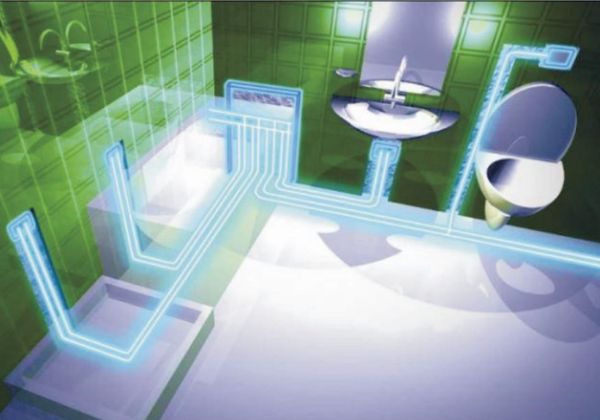
Understanding Bathroom Plumbing Systems for the Remodel
Before you dive into remodeling your bathroom, it’s important to have a clear understanding of how bathroom plumbing works. Knowing the basics will help you make informed decisions and communicate effectively with your contractor.
Key Components of a Bathroom Plumbing System
A bathroom plumbing system is made up of several key elements, including:
- Water Supply Lines: These lines carry fresh water to your fixtures, like the shower, sink, and toilet. Typically, water supply pipes are made of copper or PEX, with PEX becoming more popular due to its flexibility and resistance to freezing.
- Drains: These pipes remove wastewater from your bathroom and lead to your home’s main sewer line. It’s crucial to ensure your drain pipes are properly sized and sloped to prevent clogs and backups.
- Vents: Vent pipes allow air to enter the drainage system, preventing vacuum formation and maintaining proper water flow. Venting issues can lead to slow drainage and sewer gas smells—problems you definitely want to avoid.
- Traps: Every fixture has a U-shaped pipe called a trap, which holds a small amount of water to prevent sewer gases from entering your bathroom. These traps need to be cleaned periodically to avoid odors and blockages.
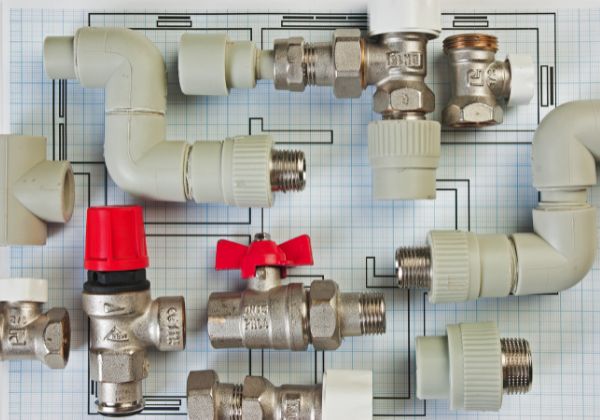
- Shut-Off Valves: These are essential for controlling water flow to individual fixtures like sinks, toilets, and showers. They allow you to isolate and turn off water to specific areas without disrupting the entire water supply. This is particularly useful during repairs or emergencies, making them a critical component in any plumbing system.
- Fixture Connections (Supply Lines and Drains): Beyond just the main supply lines, the smaller, flexible pipes that connect the water supply to individual fixtures, such as faucets and toilets, are vital. Similarly, the connections between the fixtures and drains ensure wastewater is properly routed away. These lines must be durable and well-installed to prevent leaks and water damage.
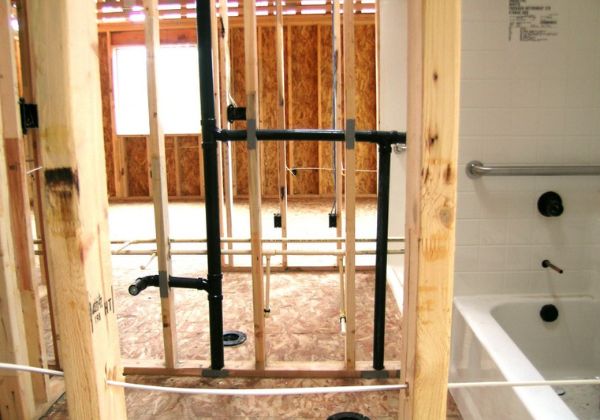
Planning Your Bathroom Plumbing Renovation
The planning phase is where most of the heavy lifting happens, and it's crucial to get this part right before picking out fancy fixtures or tile patterns. Planning includes inspecting your existing plumbing, setting a budget, and deciding whether you'll go the DIY route or hire a pro.
Evaluating Existing Plumbing
Before making any changes, it’s essential to assess your current plumbing system. If your home is more than 30 years old, there’s a good chance that the pipes and fixtures might need to be updated. Look out for signs of wear, such as corrosion, leaks, or slow drains. If you’re dealing with persistent plumbing issues like clogged drains or low water pressure, now is the time to address them.
You can do a basic inspection yourself, but it’s often a good idea to hire a professional to give you a detailed assessment. They’ll be able to spot issues that might not be visible to the untrained eye, such as deteriorating pipes or improperly vented drains.
Setting a Realistic Budget for the Upgrade
Bathroom remodel plumbing costs can vary widely, depending on the size of your bathroom, the extent of the changes, and the materials you choose. It’s easy to get carried away with luxury fixtures, but you’ll want to set a realistic budget that covers all the essentials.
Here are some factors that will impact the cost:
- The size of your bathroom: Larger bathrooms naturally have more fixtures, which means more piping and labor.
- The extent of changes: Are you just replacing a sink and faucet, or are you relocating your entire shower and toilet? Moving plumbing lines is significantly more expensive than simply replacing fixtures.
- Materials used: Copper pipes will cost more than PEX, and high-end fixtures can quickly drive up your costs.
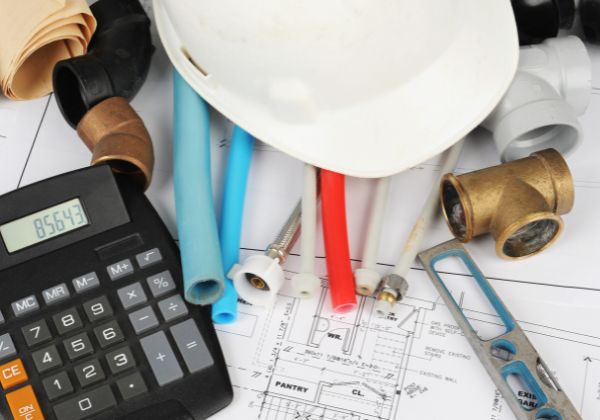
Costs of Bathroom Plumbing Remodel
Breaking down the costs for bathroom remodel plumbing can help you budget more effectively. Here’s a general idea of what you can expect, but keep in mind that prices may vary depending on your location and the complexity of the project.
| Task | Average Cost (USD) |
|---|---|
| Basic plumbing inspection | $100–$500 |
| Replacing water supply lines | $300–$1,500 |
| Installing new drains | $500–$2,000 |
| Moving plumbing lines | $1,500–$4,500 |
| Installing new fixtures (per item) | $150–$900 |
| Total plumbing remodel cost | $3,000–$8,000+ |
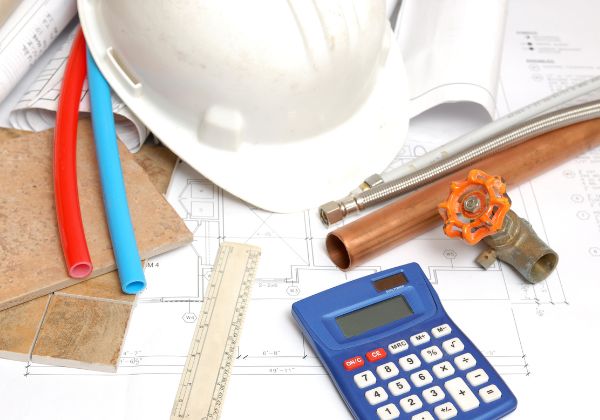
DIY vs. Professional Costs
If you're handy, you might be considering tackling some of the plumbing work yourself to save on labor costs. While DIY can save you money, plumbing is one area where mistakes can be costly. A botched plumbing job could lead to leaks, water damage, or even burst pipes. Considering professionals for this job is a good idea.
Here’s a rough comparison between the two choices:
- DIY costs: For a small-scale remodel, you’ll likely spend between $500 and $1,500 on materials and tools, depending on the complexity of the job. This includes costs for items like pipes, fittings, sealants, and specialized tools that may be required. While DIY might seem like an attractive way to save money, the risk lies in the potential for costly mistakes. Incorrect pipe installation, improper venting, or poorly sealed connections can lead to water damage, mold, or system failures—repairs that could easily surpass the initial savings. You’ll also need to account for the time spent learning the process, purchasing tools, and addressing any issues that arise, which might extend the project timeline significantly.
- Professional costs: Plumbers charge between $45 and $200 per hour, depending on the region and the scope of the work, with full remodel plumbing jobs typically ranging from $3,000 to $8,000 or more. While this can seem pricey upfront, professionals bring expertise and experience that ensures your plumbing is installed correctly, complies with local building codes, and avoids future issues like leaks or drainage problems. Hiring a pro also provides the added benefit of warranties on their work, giving you long-term peace of mind that the job has been done right the first time, potentially saving thousands in future repairs.
Materials and Fixtures
The materials you choose for your bathroom remodel plumbing will significantly affect your budget. Here are some common materials and their price ranges:
- PEX Piping: $0.50–$2.00 per foot. PEX is a flexible, durable option that’s resistant to freezing, making it a popular choice for both DIY and professional plumbing installations.
- Copper Piping: $2.00–$4.00 per foot. Known for its longevity and reliability, copper piping is pricier but offers excellent corrosion resistance and durability for long-term plumbing needs.
- Toilet: $200–$700. From basic models to high-efficiency or smart toilets, the wide range in pricing allows homeowners to choose a style that meets both their budget and water-saving goals.
- Sink Faucet: $50–$300. Faucets come in various styles and finishes, from basic functional designs to luxury options with enhanced features like touchless operation.
- Showerhead: $100–$500. Showerheads range from simple, budget-friendly models to high-end, multi-spray, or rain shower options that enhance the overall showering experience.
- Bathtub: $400–$1,500. Whether it’s a standard tub, a luxurious freestanding design, or a whirlpool option, bathtubs vary greatly in cost, with more expensive models offering additional comfort and aesthetic appeal.
- Shower Valve: $100–$400. This regulates water temperature and flow in the shower, ensuring a comfortable experience.
- Drain Pipes (PVC or ABS): $0.50–$5.00 per foot. These pipes are essential for wastewater removal, and the cost varies based on material and diameter.
- Bathroom Vanity (with sink): $300–$2,500. Vanities serve both functional and aesthetic purposes, combining sinks with storage space.
- Water Heater (if needed for the remodel): $500–$1,500. This ensures a steady supply of hot water to the bathroom, with costs depending on size and type (tank or tankless).
Investing in high-quality materials can save you money in the long run by reducing the need for repairs and replacements.
FAQs
How do I know if my bathroom plumbing needs to be replaced during a remodel?
If your home’s plumbing is over 20–30 years old, or you’ve been dealing with recurring issues such as leaks, rust-colored water, or poor water pressure, it’s likely time to consider replacing it during your remodel. Old pipes, especially galvanized steel or outdated materials, can corrode over time, leading to potential water damage or health concerns. A professional plumber can conduct a thorough inspection to assess the condition of your plumbing system and provide recommendations for any necessary upgrades. This can help avoid future costly repairs and ensure your remodel lasts for years to come.
How do I choose the best materials for bathroom plumbing?
When choosing materials for bathroom plumbing, prioritize durability, cost, and ease of installation. For example, PEX is an increasingly popular option for water lines because of its flexibility, resistance to freezing, and affordability. On the other hand, copper is valued for its longevity, corrosion resistance, and reliability, though it tends to be more expensive.
Consider the specific needs of your project—whether you're handling the installation yourself or hiring a professional—and consult with a plumber to ensure you're selecting the best materials for your long-term needs and budget.
Should I hire a plumber for my bathroom plumbing remodel?
Hiring a plumber is recommended for most remodels, especially if you’re moving plumbing lines or installing new fixtures. Plumbing mistakes can be costly, and professional work ensures everything is up to code.
What plumbing upgrades add the most value to my home?
Upgrading to water-efficient fixtures, such as low-flow toilets and faucets, can add significant value to your home by lowering utility bills. Other valuable upgrades include replacing old pipes and installing a modern shower system.
What should I consider when setting a budget for my bathroom plumbing remodel?
Factor in the size of your bathroom, the extent of the remodel, and the cost of materials and labor. Be sure to leave some room for unexpected expenses, as plumbing issues can arise during the project.
Conclusion
Plumbing is the heart of any bathroom remodel, and getting it right can save you both money and stress down the line. From evaluating your current system to setting a budget and choosing materials, there are several important steps involved in the process. Whether you’re doing a small refresh or a full-scale renovation, being well-prepared will ensure your project runs smoothly.
For more expert guidance and access to top-rated bathroom remodel contractors, visit Remodel Your Home. They can connect you with experienced professionals to bring your bathroom remodel vision to life.

Remodel Your Home
We are a leader in the home improvement space with over 20 years of experience pairing homeowners with construction experts.
About Us